

Phobia Treatment and Therapy in Boston, MA
ABOUT PHOBIAS

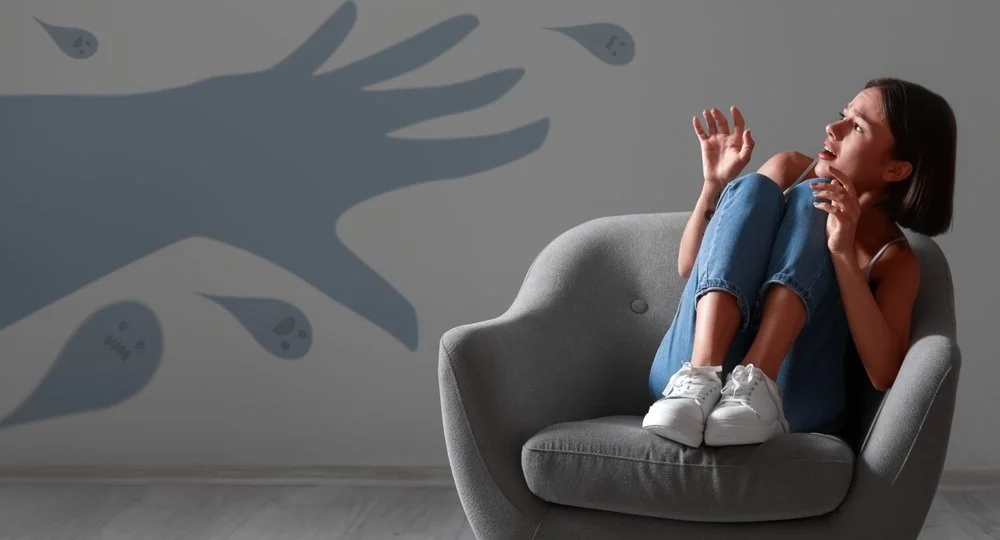
A phobia is a type of anxiety disorder characterized by an intense, persistent fear of a specific situation, object, or experience. This fear goes beyond typical discomfort—it can interfere with daily functioning, emotional well-being, and a person’s ability to engage in routine activities.
People with phobias often recognize that their fear is disproportionate or irrational once they are no longer in the triggering situation. However, this awareness does not automatically reduce the emotional or physical distress they feel in the moment.
Phobic reactions can arise from a wide range of triggers, and exposure—whether direct or anticipated—may lead to rapid increases in anxiety, fear, or avoidance behaviors. Because each phobia develops in a unique context, individuals may experience different symptoms, intensities, and patterns of fear.
The following sections will explore common symptoms and the various types of phobias to help build a better understanding of this condition.
Phobia Psychological Symptoms May Include:
Intense levels of fear or anxiety
Sudden panicking and feeling the urge to escape
Feeling like you are in danger
Feeling disconnected from your own body
Phobia Physical Symptoms May Include:
Increased heart rate
Sweating or chills
Nausea or upset stomach
Fainting or feeling dizzy
Difficulty breathing






What is Acrophobia?
Acrophobia is a mental health condition and type of anxiety disorder that involves intense fear of heights. People diagnosed with this condition experience fear when placed high above the ground or when thinking about tall heights. Due to the intense fear, those diagnosed with acrophobia have severe difficulty with everyday tasks such as climbing stairs, standing near balconies, or even parking in multi-level garages.
What is Aerophobia?
Aerophobia consists of intense fears of flying on an airplane. People with this phobia are scared of various aspects of air travel. This includes taking off, landing, or even being locked on the airplane. Believe it or not, most people with aerophobia are not necessarily scared of the plane crashing, but instead are afraid of the anxiety that comes with flying, such as anticipation, thoughts about air travel, or just being on the plane in general.
What is Cynophobia?
Cynophobia is a disorder where one is severely afraid of dogs. This disorder is common in both children and adults, in which people go out of their way to avoid any interaction with dogs. Anxiety attacks are prone to happen when triggers like hearing a dog bark or watching a movie with a dog shown, or going to a location where dogs may be present. People with this disorder tend to stay indoors to avoid the risk of interacting with dogs.
What is Trypanophobia?
Trypanophobia is an anxiety disorder where one is severely afraid of medical procedures or being in a medical setting that involves needles. This specific phobia can negatively affect one's life in various ways. One is by constantly dismissing doctors' appointments or following treatments.
What is Entomophobia?
This anxiety disorder consists of fearing insects. People diagnosed with entomophobia are deathly afraid of seeing insects or even thinking about them. This can negatively affect one’s life by avoiding walking outdoors, exercising, or attending outdoor events. People with this disorder tend to avoid leaving their homes to reduce the risk of seeing and interacting with insects.
Contact Soultality About ERP Treatment in Boston, MA
Exposure and Response Prevention (ERP) is considered the most effective treatment for various phobias. Treatment is crucial for people who have developed emotional and physical symptoms. ERP is a necessary component of CBT for most anxiety conditions, especially phobias. The two components include exposures—facing fears in a systematic, gradual, and purposeful manner to elicit anxiety—and response (or ritual) prevention—actively resisting safety behaviors and other avoidant strategies that only offer a short-term reduction of symptoms but maintain the cycle of anxiety and avoidance in the long-term. Our therapists will guide you to progressively face the situations and thoughts that provoke your phobias while learning how not to react with rituals, compulsions, reassurance seeking, or avoidance. Schedule your appointment with the expert clinicians at the Soultality Center for Psychotherapy in Cambridge, MA, today.